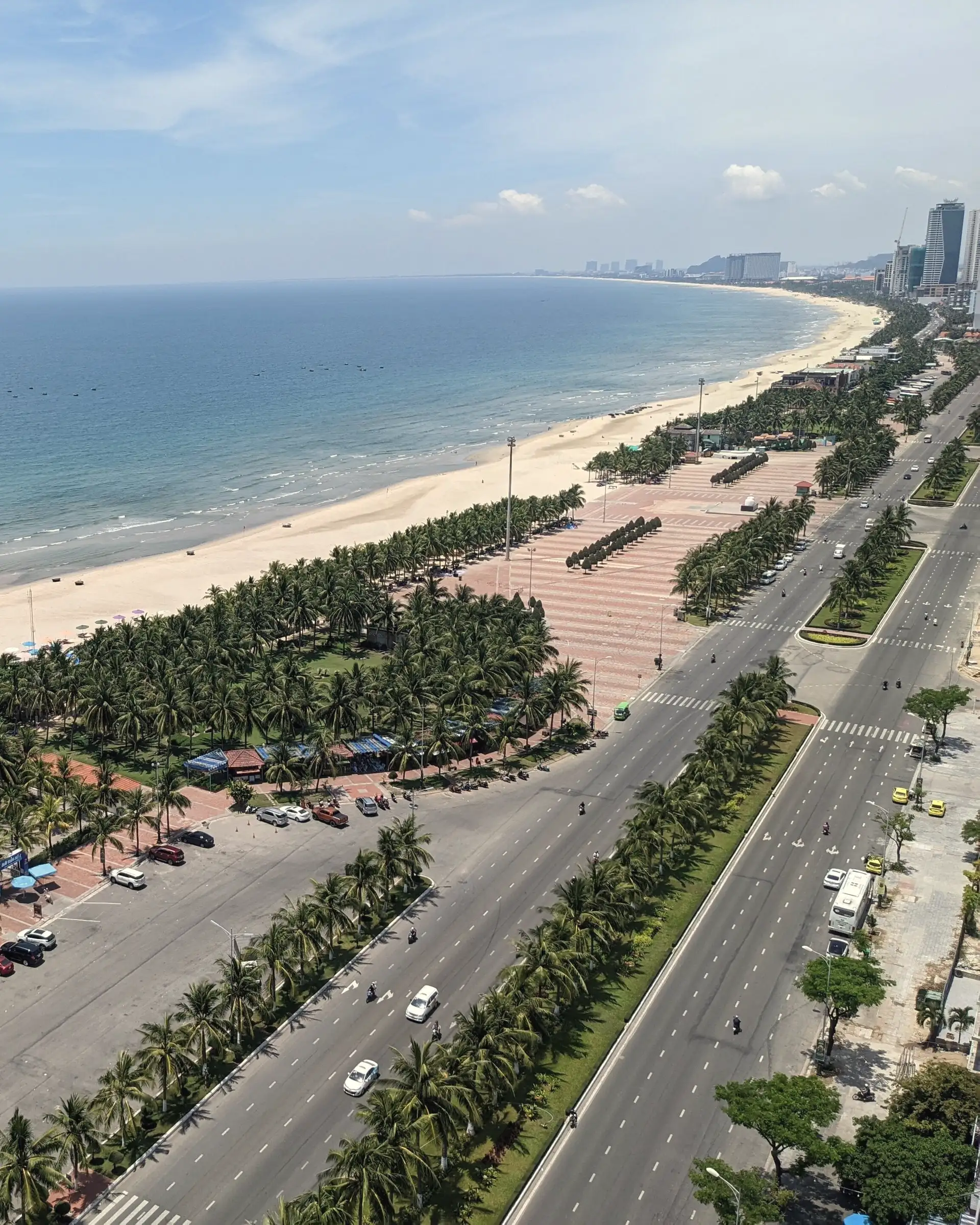

Between the fifteenth and nineteenth centuries, Hoi An was one of the busiest ports in Southeast Asia. Ships arrived from Japan, China, the Netherlands and Portugal, and merchants settled along the Thu Bon River. When the river silted up and trade moved to Da Nang, the town was left largely as it was, which is why it survives so well today.
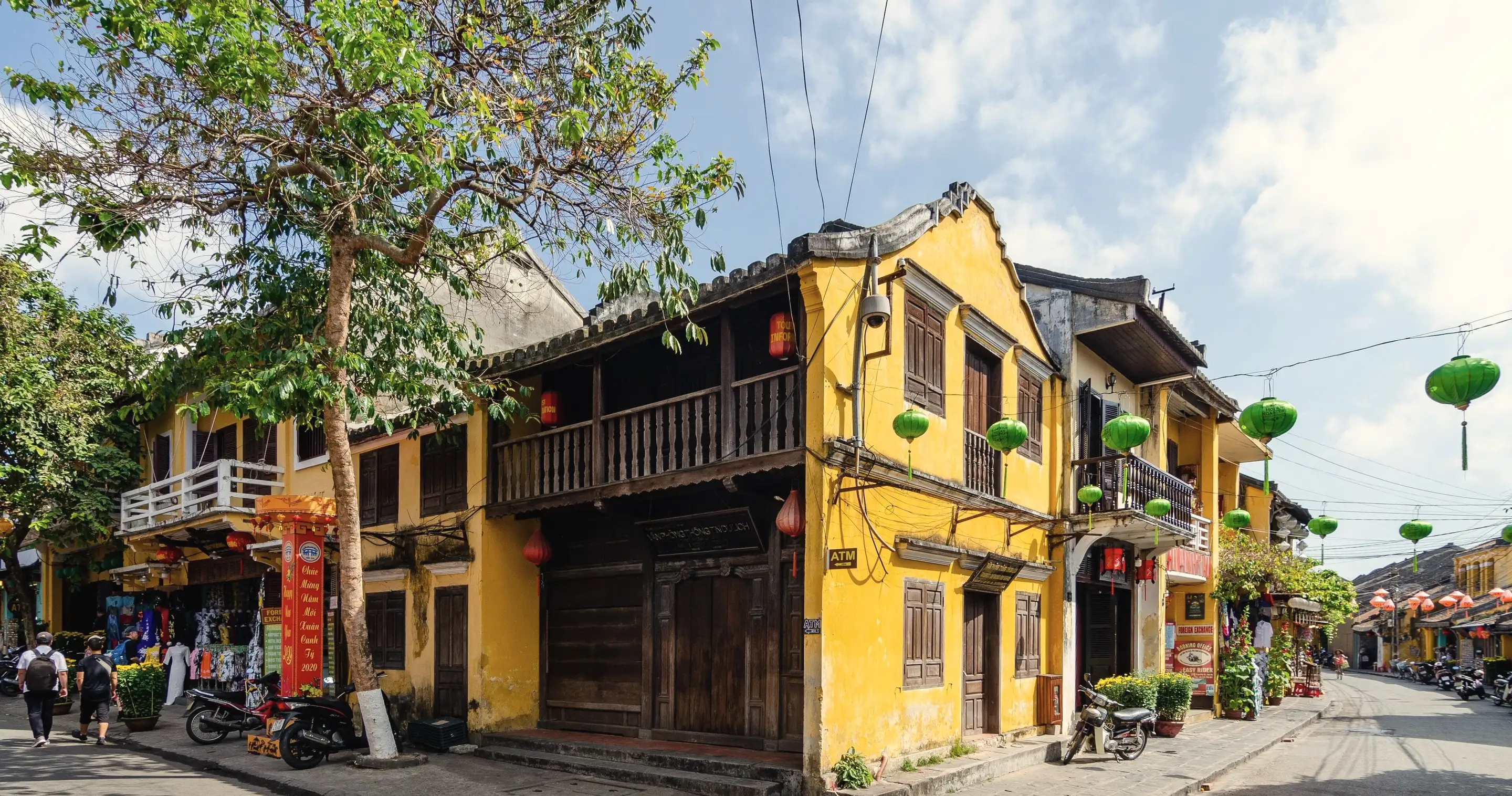
The old town is a gallery of that history. The Japanese Covered Bridge, with its small temple inside, links what were once the Japanese and Chinese quarters. Chinese assembly halls, painted in red and gold, still serve their communities. Wooden shophouses, deep and narrow, open onto the street at the front and onto the river at the back.
Hoi An is a town of craftspeople. Tailors can make a suit or a dress in a day, lantern makers bend bamboo frames by hand, and potters in Thanh Ha village have worked the same clay for centuries. We arrange visits to workshops where the makers have time to talk, rather than to shop fronts.
The best hours are early morning, when the market fills with vegetables from the nearby village of Tra Que, and the evening, when the lanterns come on. On the night of each full moon, the town switches off its electric lights, and families float candles on the river for luck.