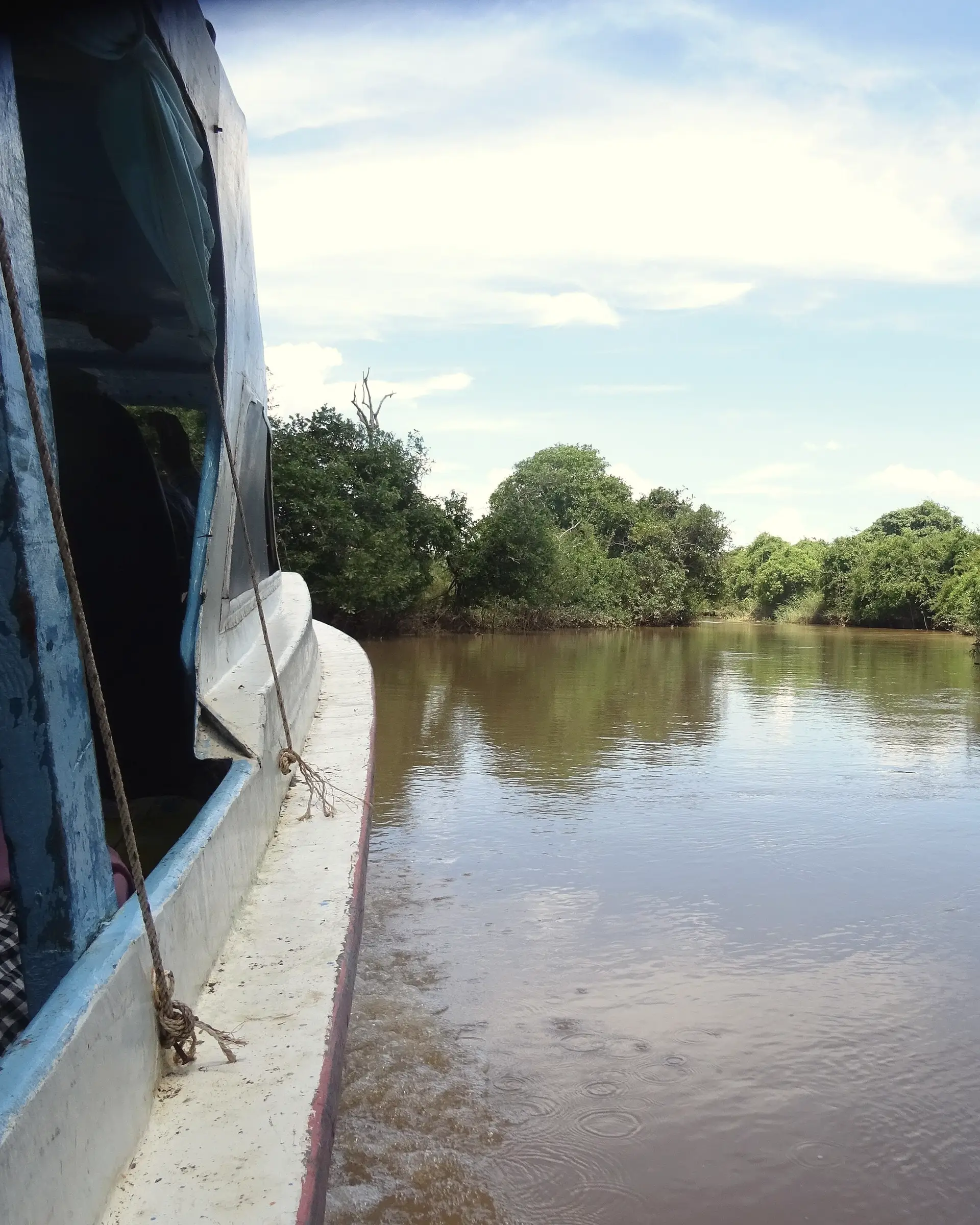

Phnom Penh stands at the meeting of four waters: the Mekong, the Tonle Sap and the Bassac rivers. It became the capital of Cambodia in the fifteenth century, after Angkor was abandoned, and was rebuilt in the French period with wide boulevards and villas, many of which still stand.
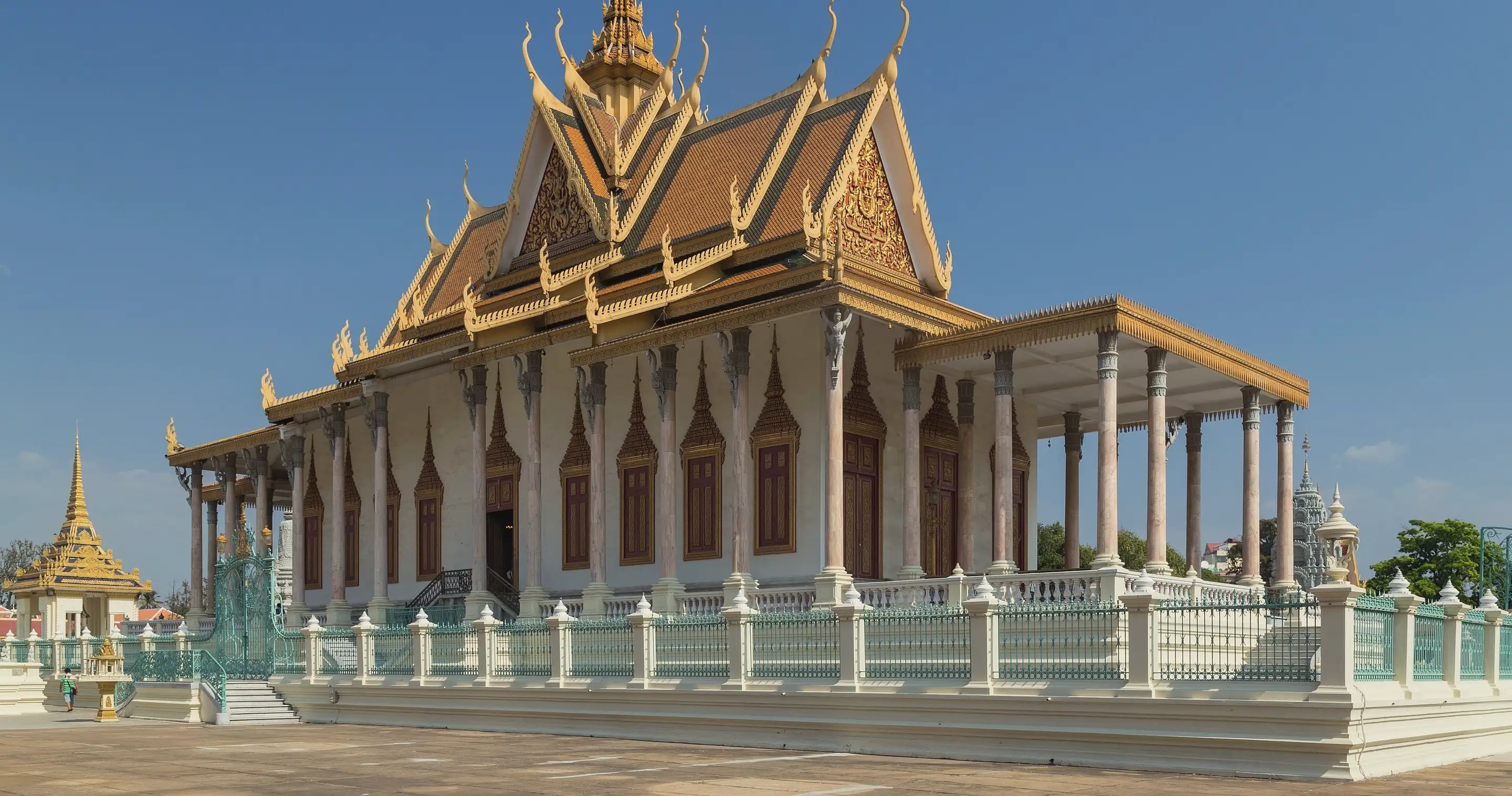
The Royal Palace, with its golden spires and Khmer roofs, remains the residence of the King. In the same compound, the Silver Pagoda takes its name from its floor of more than five thousand silver tiles, and holds a small emerald Buddha and a life-size gold Buddha set with diamonds. Next door, the National Museum houses the finest collection of Khmer sculpture in the world.
Cambodia's recent history is also part of any visit to Phnom Penh. The Tuol Sleng Genocide Museum and the memorial at Choeung Ek tell the story of the Khmer Rouge years with great dignity. We visit with a local historian who can answer questions honestly, and we plan a quieter afternoon afterwards.
In the evening, the riverfront along Sisowath Quay comes to life. We like to end the day with a sunset cruise where the rivers meet, followed by dinner at one of the restaurants that are bringing new attention to Khmer cuisine, from fish amok to dishes rediscovered from old royal recipes.