
Between the ninth and fifteenth centuries, Angkor was the capital of a Khmer Empire that stretched across much of mainland Southeast Asia. Its kings built temple after temple, each one a model of the universe in stone, surrounded by moats and reservoirs that also fed a vast network of rice fields.
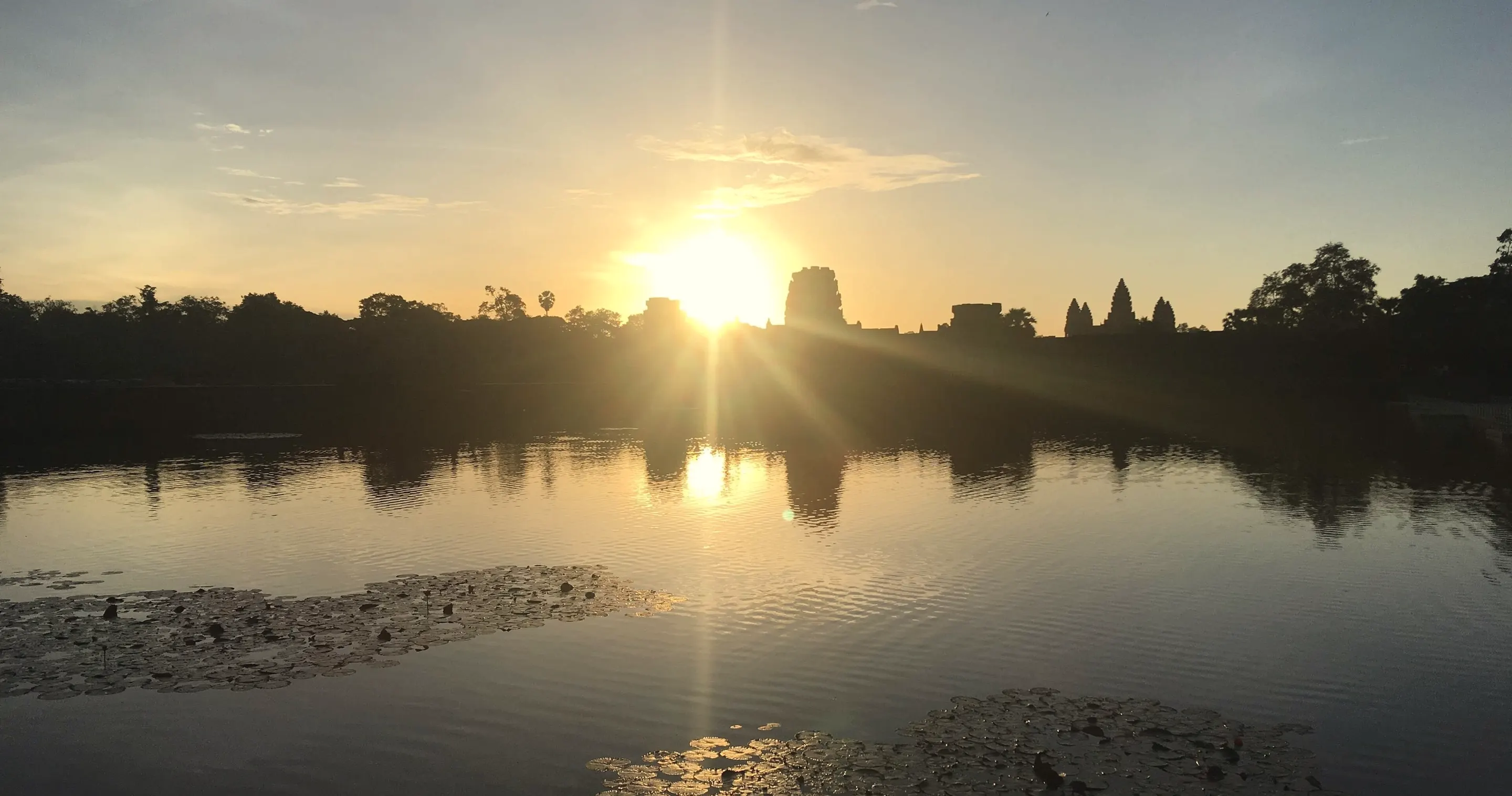
Angkor Wat, built in the twelfth century for King Suryavarman II, is the largest religious monument in the world. Most visitors come for sunrise, when its five towers stand in silhouette against the sky. We often go a little later, once the crowd has moved on to breakfast, to walk its galleries of carved bas-reliefs in near silence.
Inside the walled city of Angkor Thom, the Bayon temple holds more than two hundred serene stone faces, gazing in every direction from its towers. Ta Prohm, by contrast, has been left partly in the grip of the jungle, with the roots of giant trees wrapped around its walls. It is at its most atmospheric in the late afternoon light.
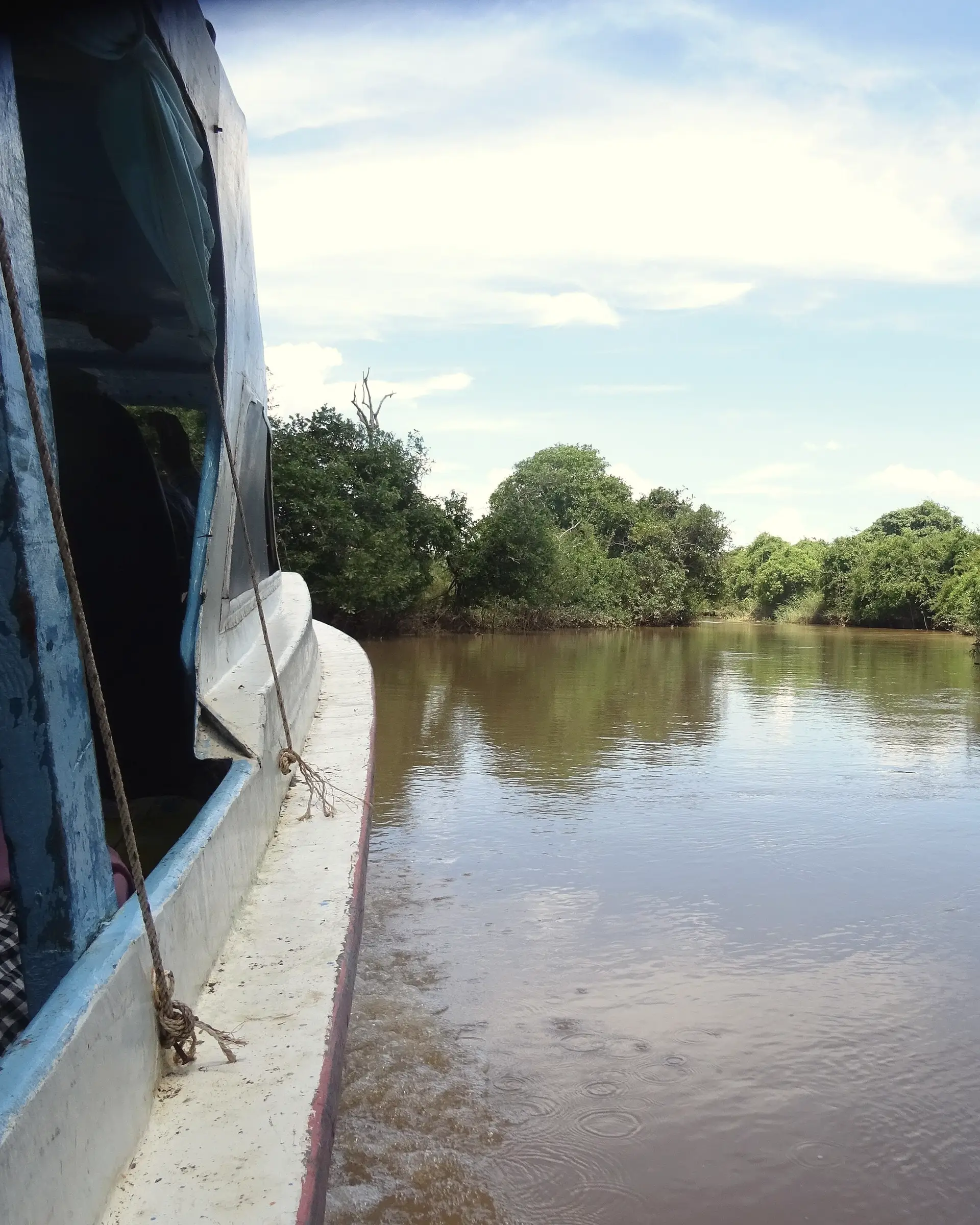
The temples are only part of Siem Reap. We add a morning at Banteay Srei, a small temple of pink sandstone carved with extraordinary detail, a boat trip to the stilt villages of the Tonle Sap lake, and an evening at a contemporary Cambodian circus. Three full days are enough to see Angkor well without rushing.